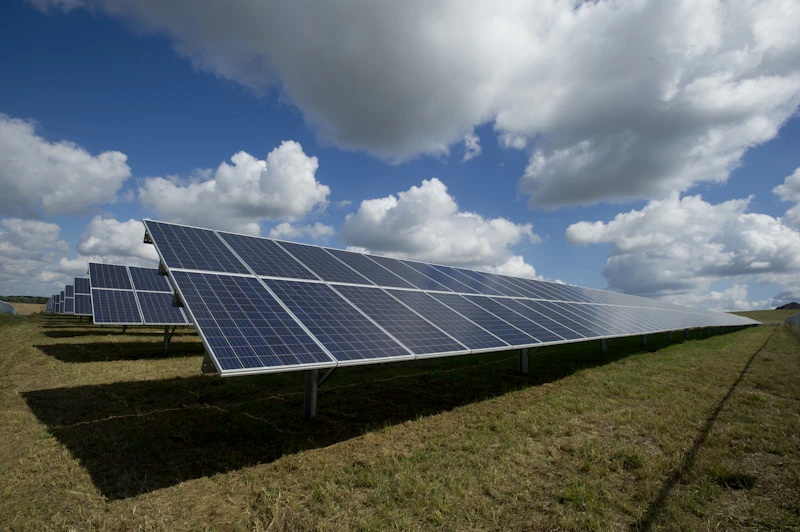
This involves the installation, maintenance, and repair of electrical lines that are either suspended above ground (overhead) or buried below ground (underground). This service ensures the safe and reliable delivery of electricity to homes, businesses, and other facilities.
Overhead Electric Lines: These are typically supported by poles or towers and are visible above the ground. They are easier to install and repair but are more susceptible to weather-related damage.
Underground Electric Lines: These are buried beneath the ground, making them less vulnerable to weather conditions and physical damage. However, they are more expensive to install and repair due to excavation.
Both types of electric lines are crucial for efficient distribution and require regular inspection to ensure reliability and safety.

This involves the construction and installation of substations, which are critical components in the electrical grid. Substations transform voltage levels from high to low or vice versa, making it possible to distribute electricity efficiently and safely.
The setup process includes:
• Site Selection & Preparation: Choosing an appropriate location for construction.
• Equipment Installation: Installing transformers, circuit breakers, and switches.
• Wiring & Connections: Connecting the substation to the power grid securely.
• Testing & Commissioning: Conducting thorough tests before going live.
Substations play a vital role in maintaining stability and reliability of the electrical supply.
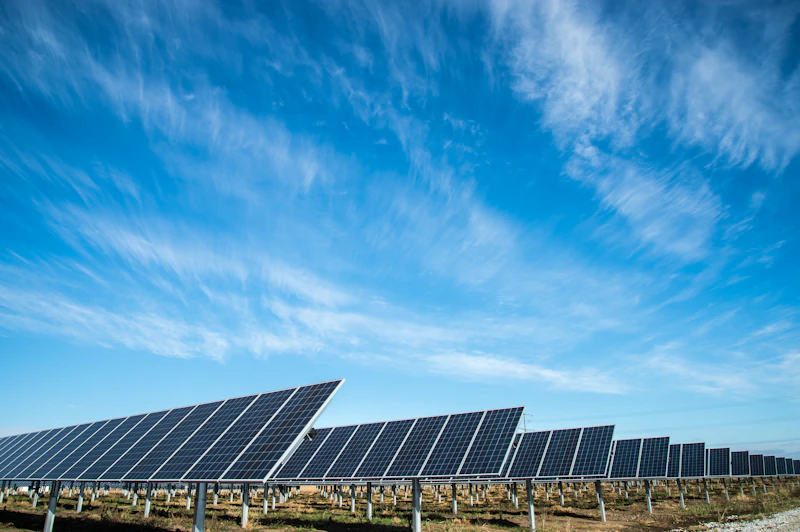
This involves providing industrial machinery and equipment, as well as setting it up for operational use. This service ensures that the machinery is correctly installed, calibrated, and ready for production.
It includes tasks such as transportation, installation, testing, and commissioning of the machinery to ensure it operates efficiently and safely.
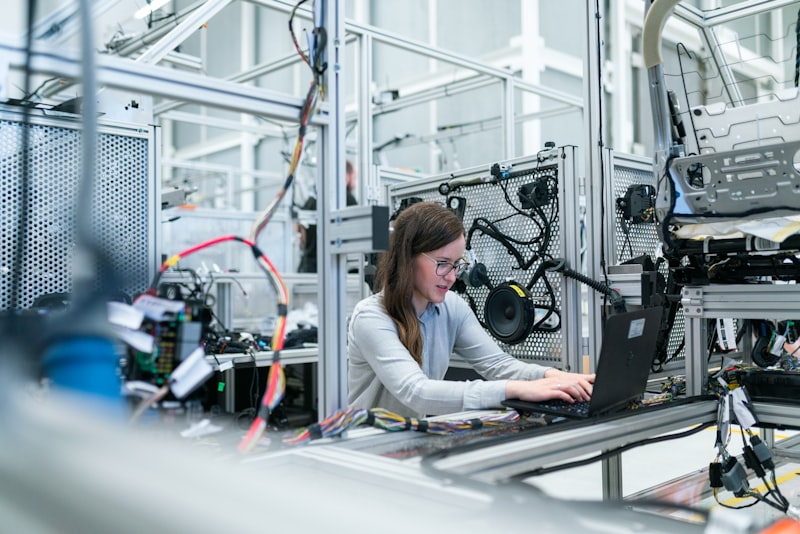
This involves the installation and commissioning of solar power systems and the associated substations. This process includes several key steps:
• Site Assessment & Planning: Evaluating locations for sunlight exposure.
• System Design: Selecting solar panels, inverters, and mounting structures.
• Installation: Setting up panels, equipment, and electrical wiring.
• Substation Setup: Installing transformers and circuit breakers for solar power distribution.
• Testing & Commissioning: Thorough testing ensuring system safety and performance.
• Monitoring & Maintenance: Establishing long-term maintenance plans.